
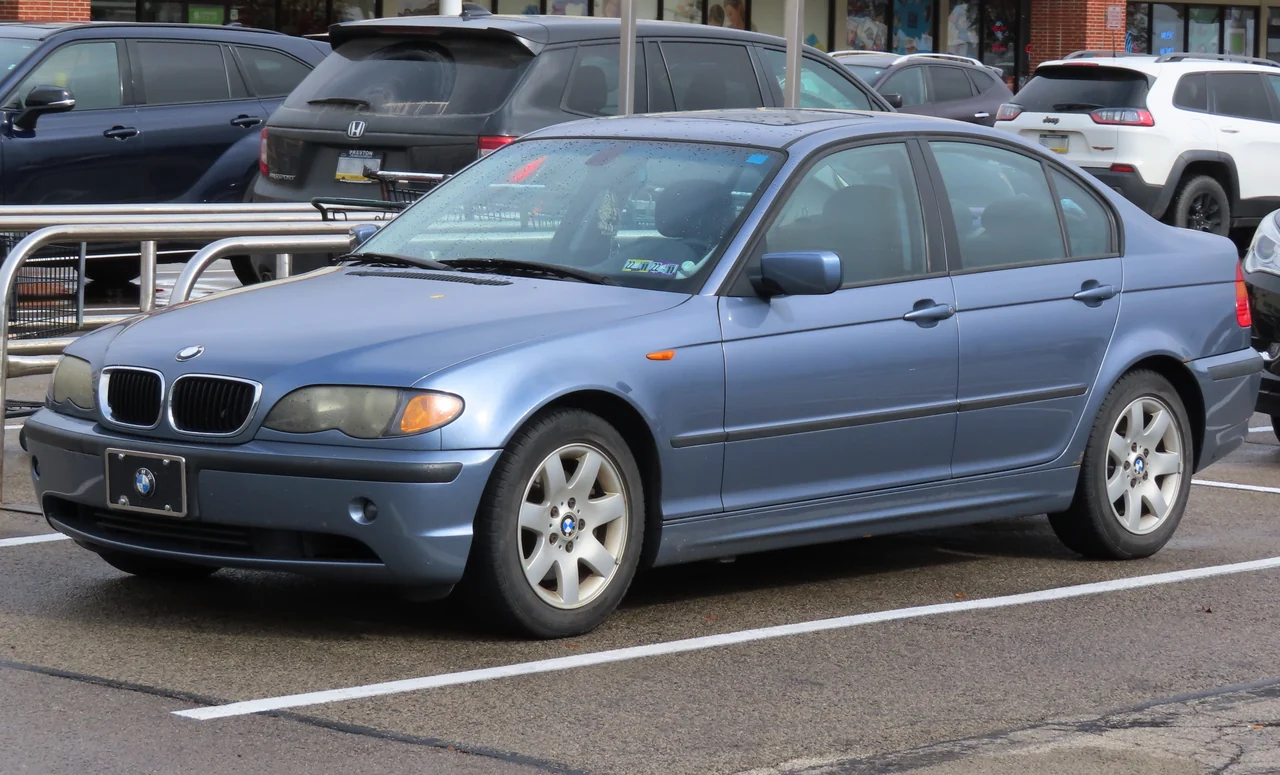
A short road test can produce useful notes for a workshop. It cannot identify a failed suspension part, certify roadworthiness or predict remaining life. This protocol stays deliberately ordinary: legal speeds, normal inputs and no attempt to provoke a fault.
Permission comes before the keys
Confirm that the driver holds the correct licence, has the owner’s permission and is covered by the seller’s insurance. NSW Government buyer guidance specifically tells a prospective test driver to check that the seller’s policy covers them before driving. 1 (Australian buyer guidance; policy and licensing details vary by driver and jurisdiction.)
Obey the road rules and any licence conditions. If permission, insurance or registration status is unclear, do not drive the car. Arrange a professional inspection instead.
Stop before starting
Walk around the car on level ground. A competent person should check tyre condition and pressure against the exact vehicle’s placard or matching owner information. NSW roadworthiness guidance says tyres must be in good condition, inflated to the recommended pressure and free of cracks, bumps and uneven wear. 2 (NSW requirements; check current rules in the relevant state or territory.)
Do not begin if you find a visibly damaged or low tyre, a wheel at an unusual angle, major fluid loss, inadequate braking, severe steering play, loss of assistance, or a brake, steering or stability warning. Recovery is the safer response.
Do not crawl under the car. A roadworthy inspection covers wheels, tyres, steering, suspension, brakes and structure, but Transport Victoria warns that a roadworthy certificate does not establish overall mechanical reliability or future condition. 3 (Victorian regulatory context; certification rules vary across Australia.)
Record the car, tyres and modifications
E46 identifies a generation, not one suspension specification. BMW’s US-market 2001 material documents several body and powertrain branches and model-specific running-gear changes. 4 (US manufacturer engineering context; not Australian fitment proof.)
Start with the E46 identity record and add:
| Item | What to retain |
|---|---|
| Vehicle | VIN, production date, market, body and model from BMW build data |
| Tyres | Size, brand/model, pressure, tread pattern, damage and date assessment |
| Wheels | Size, visible damage and any non-standard fitment |
| Modifications | Invoices, photographs and engineering or registration evidence where required |
| Existing concern | Seller’s description, prior invoices and the conditions in which it occurs |
BMW USA’s official manual portal uses the full 17-digit VIN to retrieve available vehicle-specific information, although it covers selected model years and US material. 5 For an Australian-delivered E46, prefer the matching Australian glovebox manual or current BMW Australia/dealer information.
Use one calm, familiar route
Choose dry weather, light traffic and a legal route you know. A useful route has a smooth straight section, ordinary low-speed turns and a mildly uneven section. Avoid potholes, abrupt steering, emergency braking, high speeds and repeated impacts. Do not switch off safety systems or release the steering wheel.
Keep the driver’s attention on the road. A passenger may take notes only where lawful and without distracting the driver. Otherwise, stop somewhere safe before writing anything down.
Record the surface and conditions beside each observation. Tyre pressure, tyre construction and wear, wheel damage, loading, wind, road camber, alignment and modifications can all change how a car feels. The road test cannot separate those influences by itself.
Low-speed turns
In a clear, legal setting, use normal steering input through left and right turns. Note:
- whether steering effort changes unexpectedly;
- a knock, scrape, groan, repeated click or tyre-rub sound;
- inconsistent steering return after the turn;
- a warning or change in assistance.
Write what happened and where it seemed to come from. “Single knock near the front left entering a driveway” gives a technician something to reproduce. “Bad control arm” claims a diagnosis the drive cannot establish.
Straight-road notes
On a suitable straight section at a steady legal speed, maintain normal secure control. Record an off-centre steering wheel, continual correction, wandering or vibration felt through the wheel, seat or floor. NSW Government used-car guidance identifies excessive steering free travel or wandering on a straight road as observations that can indicate worn suspension or steering misalignment. 1 (General screening guidance, not E46 diagnosis.)
Repeat only if another safe, comparable section appears naturally on the route. Do not release your grip to test whether the car changes direction. End the drive if it pulls severely, feels unstable, loses assistance or develops strong vibration.
| Observation | Road and conditions | Where felt or heard | Repeated naturally? |
|---|---|---|---|
| Steering wheel off-centre | Steering wheel | ||
| Wander or correction | Vehicle path | ||
| Vibration | Wheel / seat / floor | ||
| Noise | Approximate area |
Mild surface changes and normal braking
Drive over ordinary mild surface changes at an appropriate speed. Note knocks, rattles or creaks and whether the body settles after the surface changes. NSW Government buyer guidance tells test drivers to listen for suspension or body rattles over bumps. 1 Do not circle back to hit the same bump or seek a harsher one.
Only after the brake safety gate has passed, make a normal progressive stop. The same NSW checklist says to note whether the car stops smoothly and straight and whether the steering wheel vibrates. 1 This does not justify emergency or high-load braking during a buyer’s test.
End the drive for a new brake or steering warning, inadequate braking, severe vibration, overheating, fuel smell, major fluid loss or any sudden loss of control.
Give the workshop the conditions, not a verdict
Park safely on level ground. Note any new warning, odour or visible wetness without touching hot brakes or opening a pressurised cooling system. Save the route notes with the tyre, wheel and modification record.
Ask a BMW-experienced workshop for a lift inspection and, if the technician considers the car safe, its own controlled road test. Victoria’s official roadworthiness guideline requires licensed testers to consider manufacturer specifications and inspect for excessive wear, deterioration or unsafe alterations. 6 (Victorian licensed-test context; a BMW pre-purchase inspection is a separate, broader service.)
The written report should separate immediate safety defects, confirmed faults with test evidence, unresolved observations, alignment or tyre questions, and exact parts identification. Lifting, wheel removal, steering-play measurement, alignment measurement and structural assessment belong with competent personnel and suitable equipment.
No cited source establishes a universal E46 suspension replacement interval, failure prevalence or remaining life. A quiet drive does not certify bushes, joints, dampers, mounts, steering gear, alignment or body pick-up points; even a formal roadworthy certificate does not establish general mechanical reliability. 3 (Victorian certificate limitation.)
Before ordering parts
Do not request suspension parts before diagnosis and confirmation of VIN, production date, market, body, installed hardware, modifications and current supersessions.
Take the route sheet to the workshop. Do not turn it into a shopping list.
Sources and further reading
References supporting the reporting and practical context on this page.
- 1 — NSW Government: vehicle inspections checklist (Australian used-vehicle guidance; not E46-specific diagnosis) ↗ ↩
- 2 — NSW Government: roadworthiness (NSW tyre and roadworthiness guidance) ↗ ↩
- 3 — Transport Victoria: roadworthy certificate (Victorian certificate scope and limitations) ↗ ↩
- 4 — BMW Group: Press Kit MY 2001, BMW 3 Series (US-market manufacturer engineering context) ↗ ↩
- 5 — BMW USA: digital owner’s manuals (US VIN-based portal; selected model years) ↗ ↩
- 6 — Transport Victoria: VSI 26 roadworthiness requirements (official Victorian licensed-tester guideline) ↗ ↩