


Buying guide
BMW E46
BMW E46 buyer’s guide: the appeal, versions to understand, inspection priorities and our buying perspective.
Read the buying guide ↗Understand the appeal, the variants and the work behind a good modern classic.
Keep a record of what was checked, what needs investigation and what the workshop could not assess.
Open the pre-purchase checklist ↗BMW E46 buyer’s guide: the appeal, versions to understand, inspection priorities and our buying perspective.
Read the buying guide ↗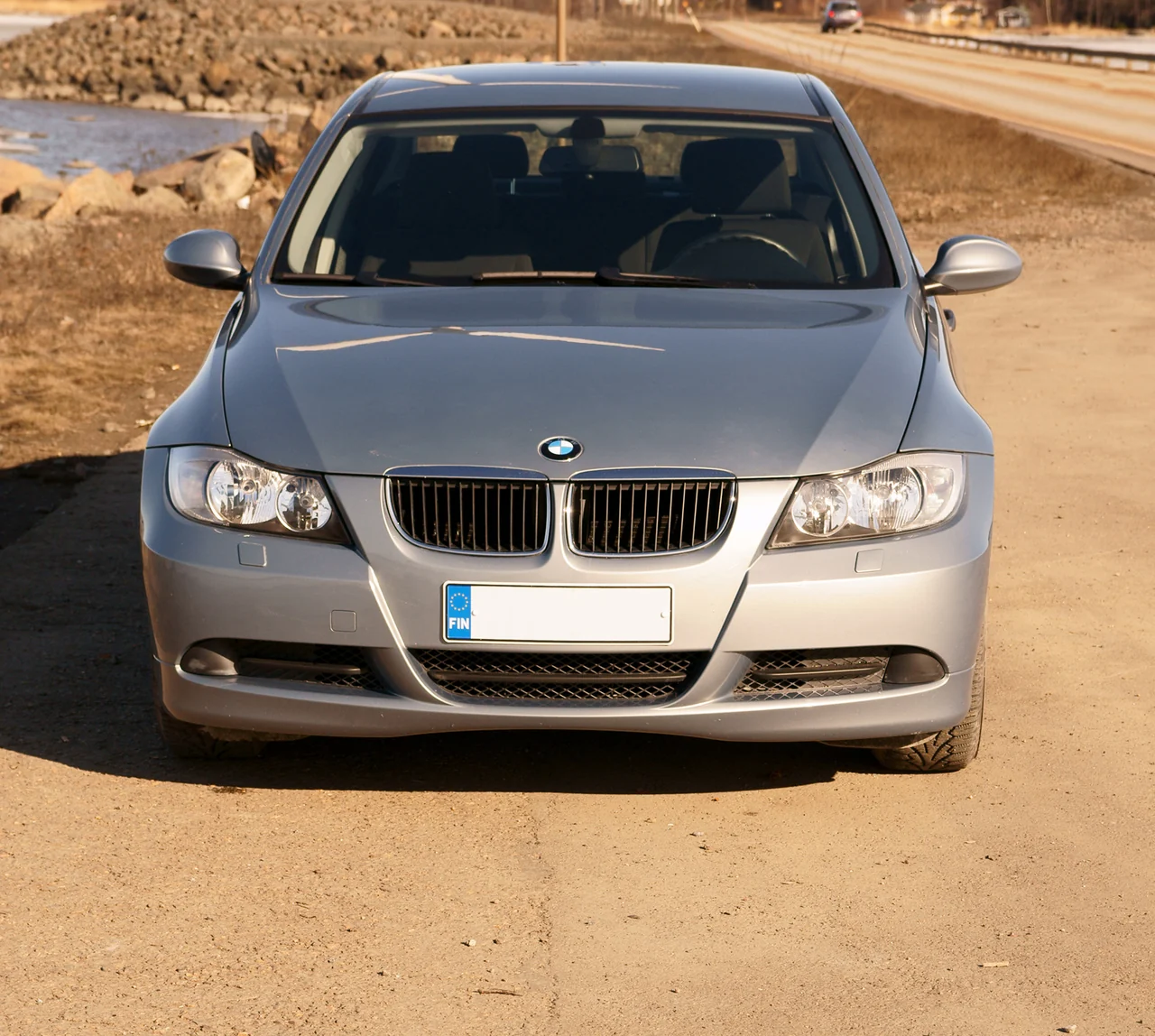
BMW E90 and E92 buyer’s guide: the appeal, versions to understand, inspection priorities and our buying perspective.
Read the buying guide ↗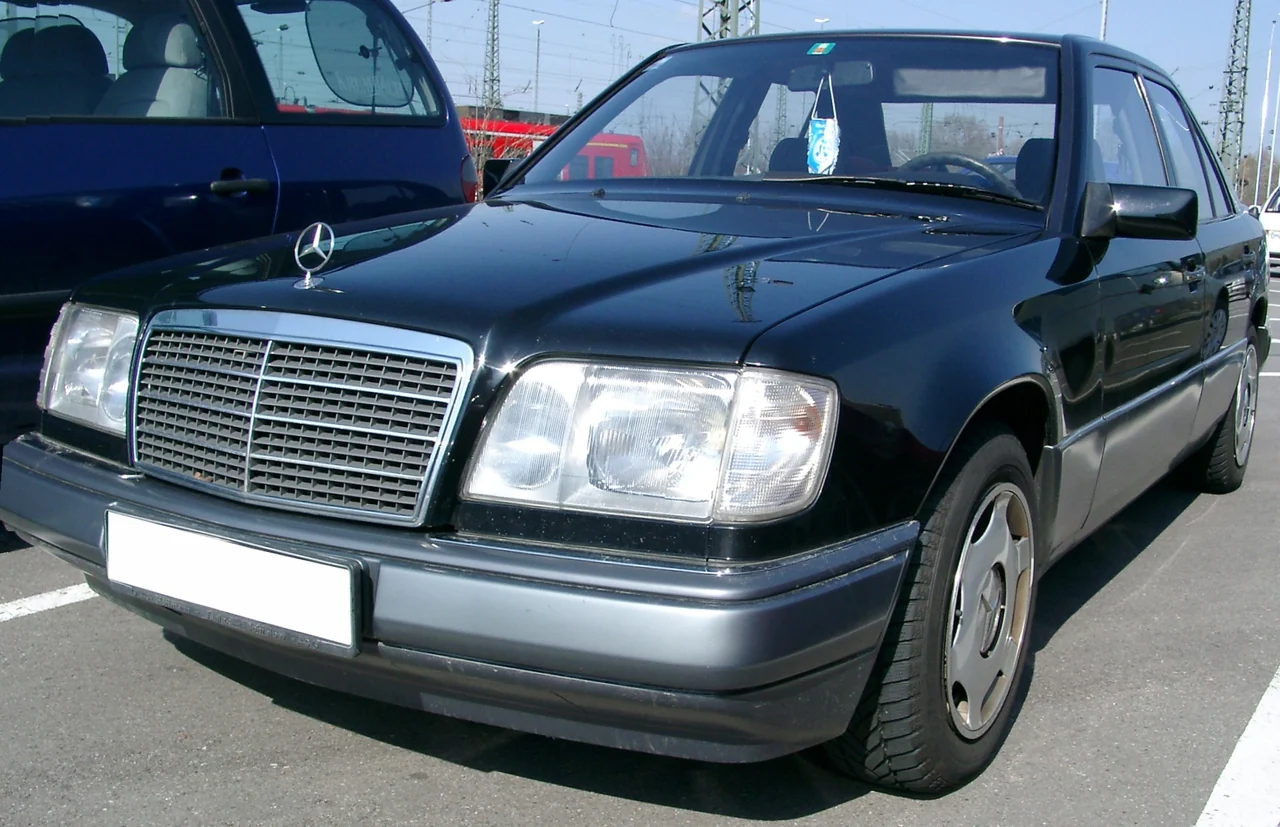
Mercedes-Benz W124 buyer’s guide: the appeal, versions to understand, inspection priorities and our buying perspective.
Read the buying guide ↗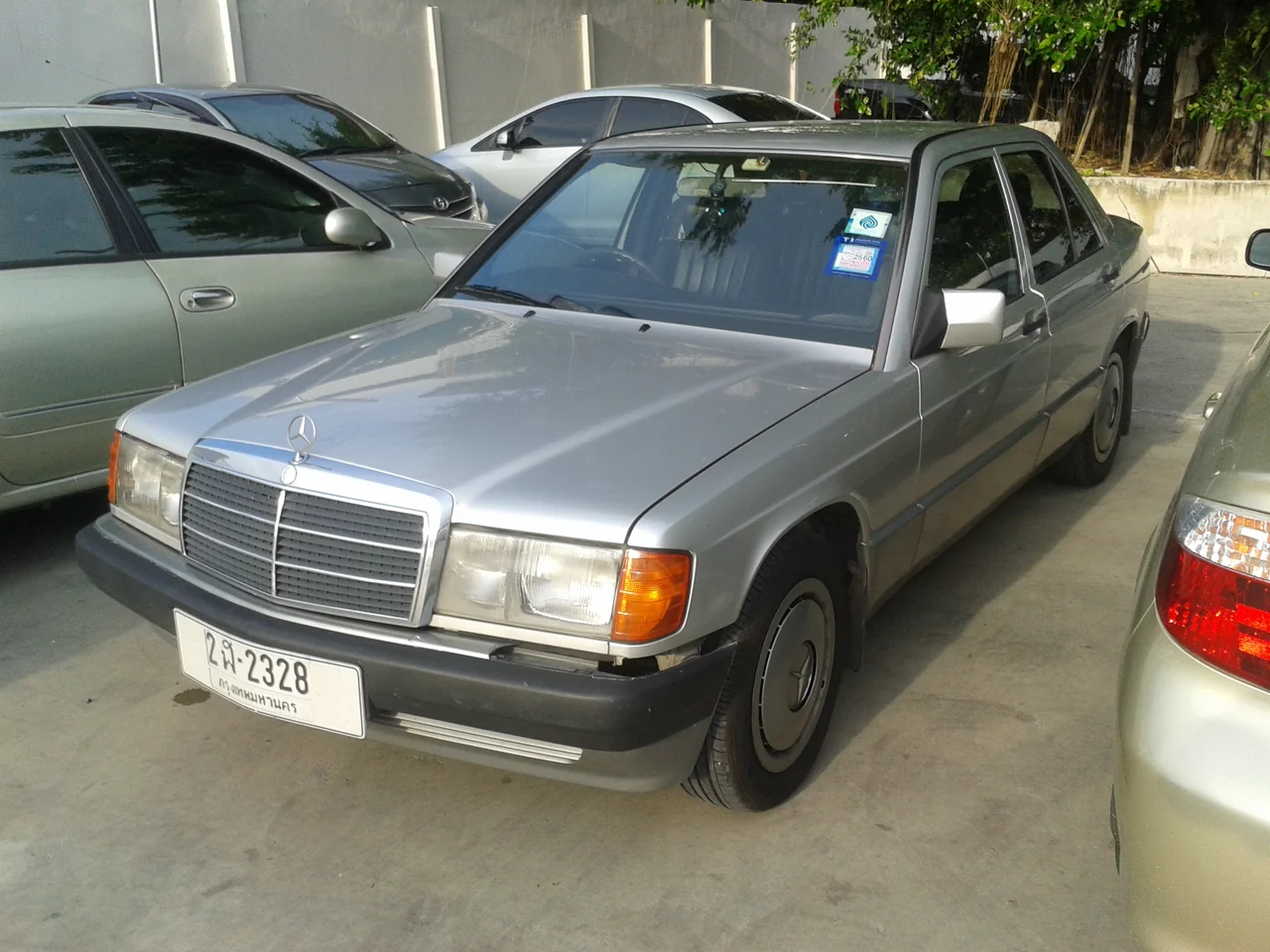
Mercedes-Benz W201 190E buyer’s guide: the appeal, versions to understand, inspection priorities and our buying perspective.
Read the buying guide ↗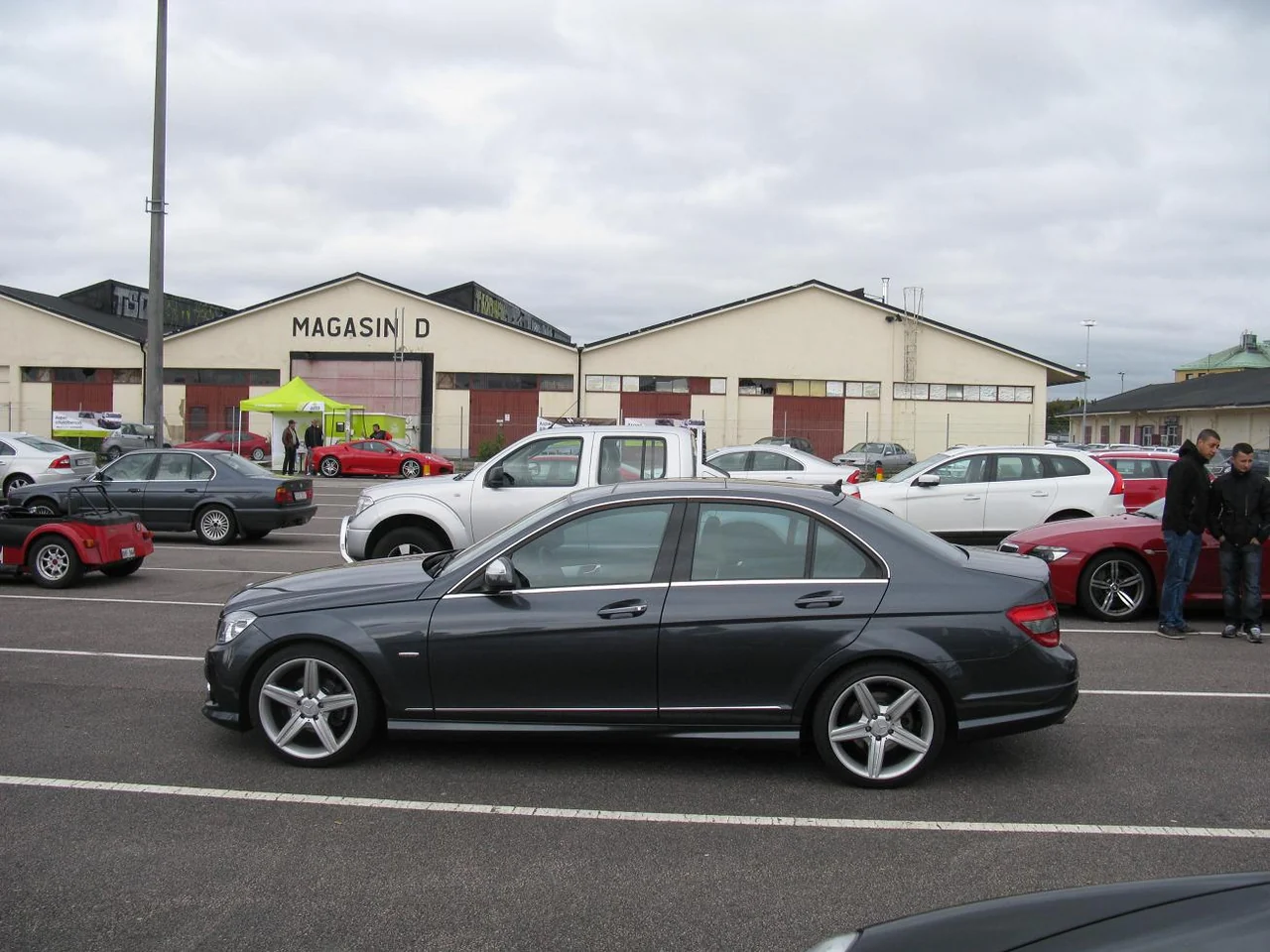
Mercedes-Benz W204 buyer’s guide: the appeal, versions to understand, inspection priorities and our buying perspective.
Read the buying guide ↗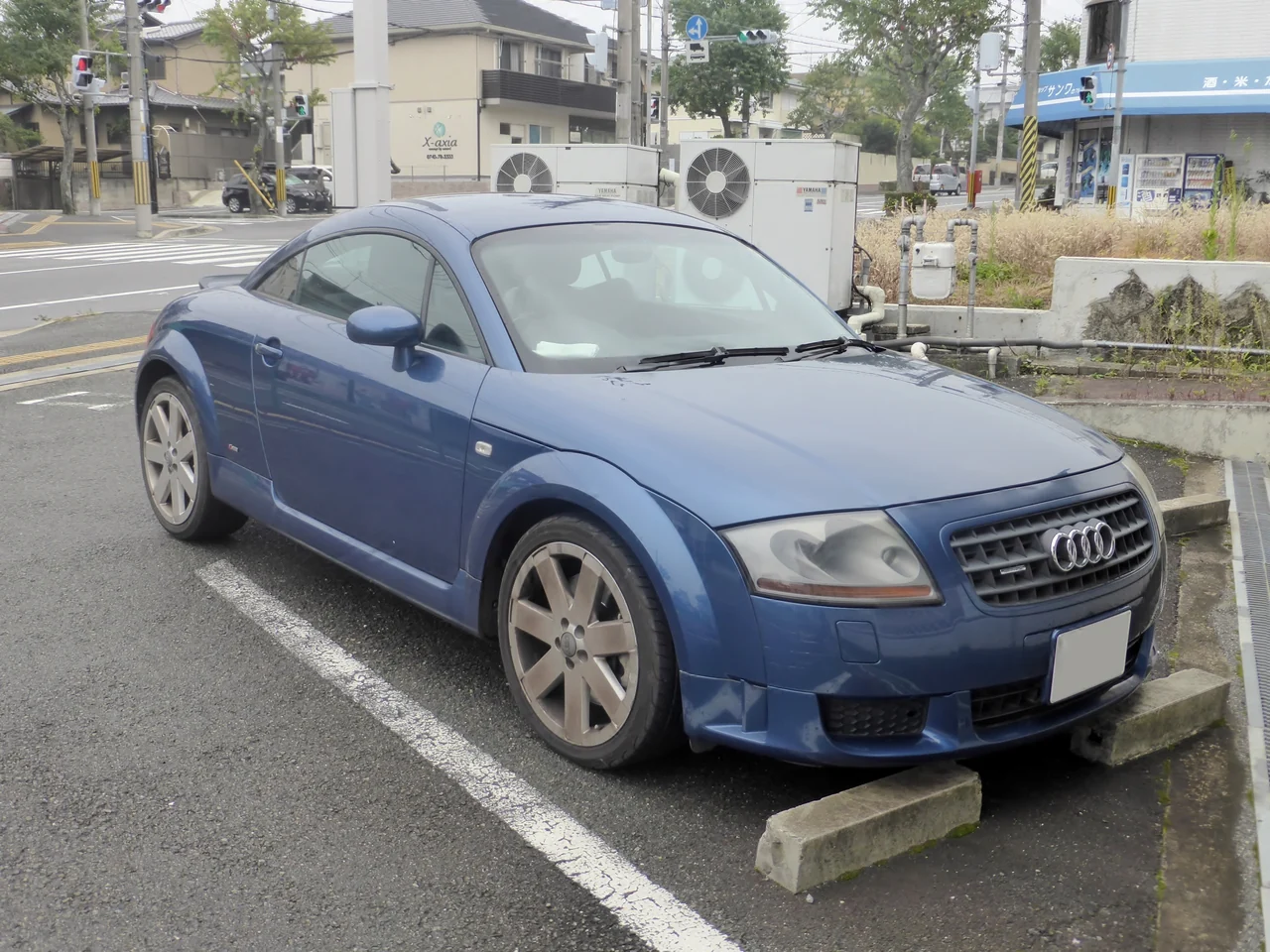
Audi TT 8N buyer’s guide: the appeal, versions to understand, inspection priorities and our buying perspective.
Read the buying guide ↗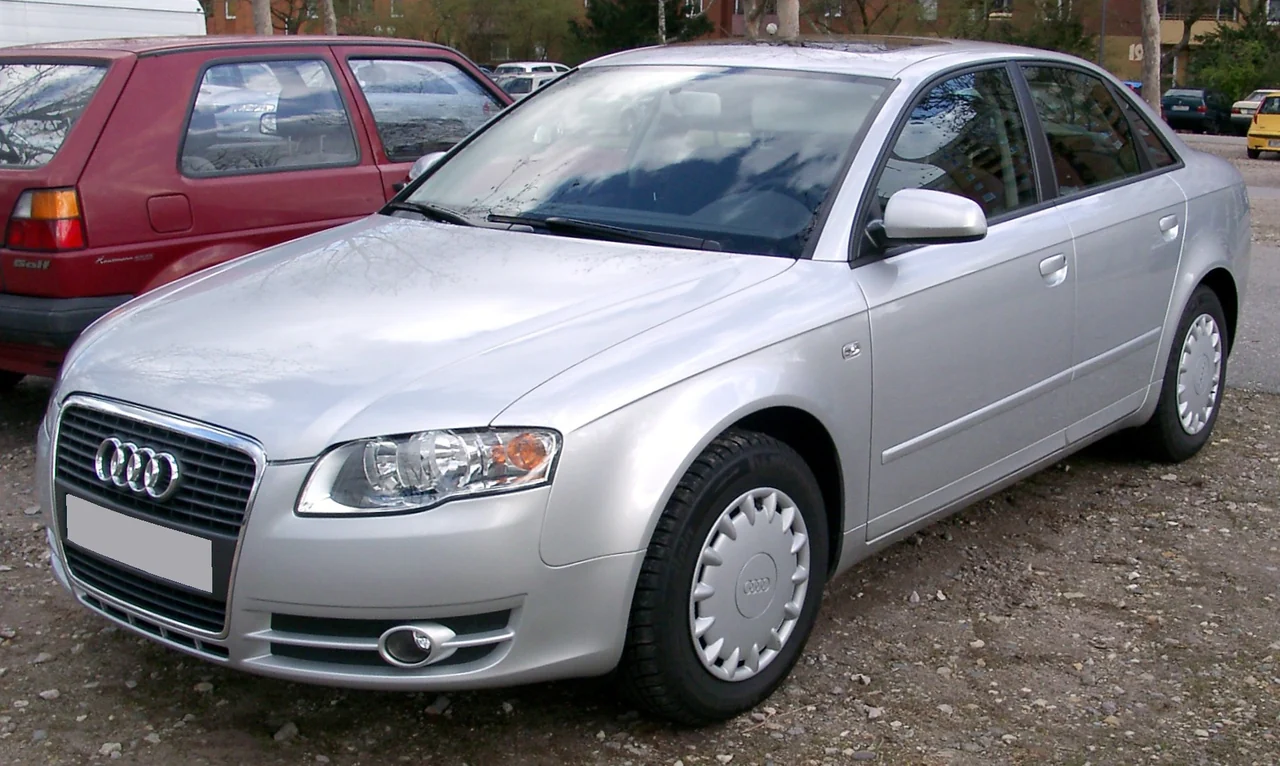
Audi B7 versus B8 A4 buyer’s guide: the appeal, versions to understand, inspection priorities and our buying perspective.
Read the buying guide ↗A good buying guide should explain why the car deserves a place in your life, then help you decide whether the particular example deserves your money. Our guides bring the model history, mechanical distinctions and inspection priorities together. They concentrate on BMW, Mercedes-Benz and Audi modern classics, with separate pages for closely related generations when the engineering demands it.
Start with the shape, engine and body style you actually want. Then work through the documents and the physical car with an independent specialist. A desirable badge cannot compensate for structural corrosion or unresolved safety work. Equally, an ordinary specification with a coherent history can make a much more satisfying purchase than a poorly understood flagship.
We favour honest condition and documented maintenance over cosmetic promises. The aim is to make your shortlist sharper: which compromises suit your use, which findings need a quotation, and which questions remain unanswered. Prices and repair bills move with location and condition, so use current written estimates for the car you inspect.
Turn the inspection findings into a sensible maintenance baseline and keep the records useful.
Explore ownership advice ↗

_2.0_front.jpg)
.jpg)
_front.JPG)
