
Mercedes-Benz W201 190E buyer’s guide
190E variants, inspection priorities and preventive-maintenance questions, with Australian purchase checks clearly labelled.
Read story →Browse the existing Mercedes-Benz W201 190E buyer guide and its identity checks.
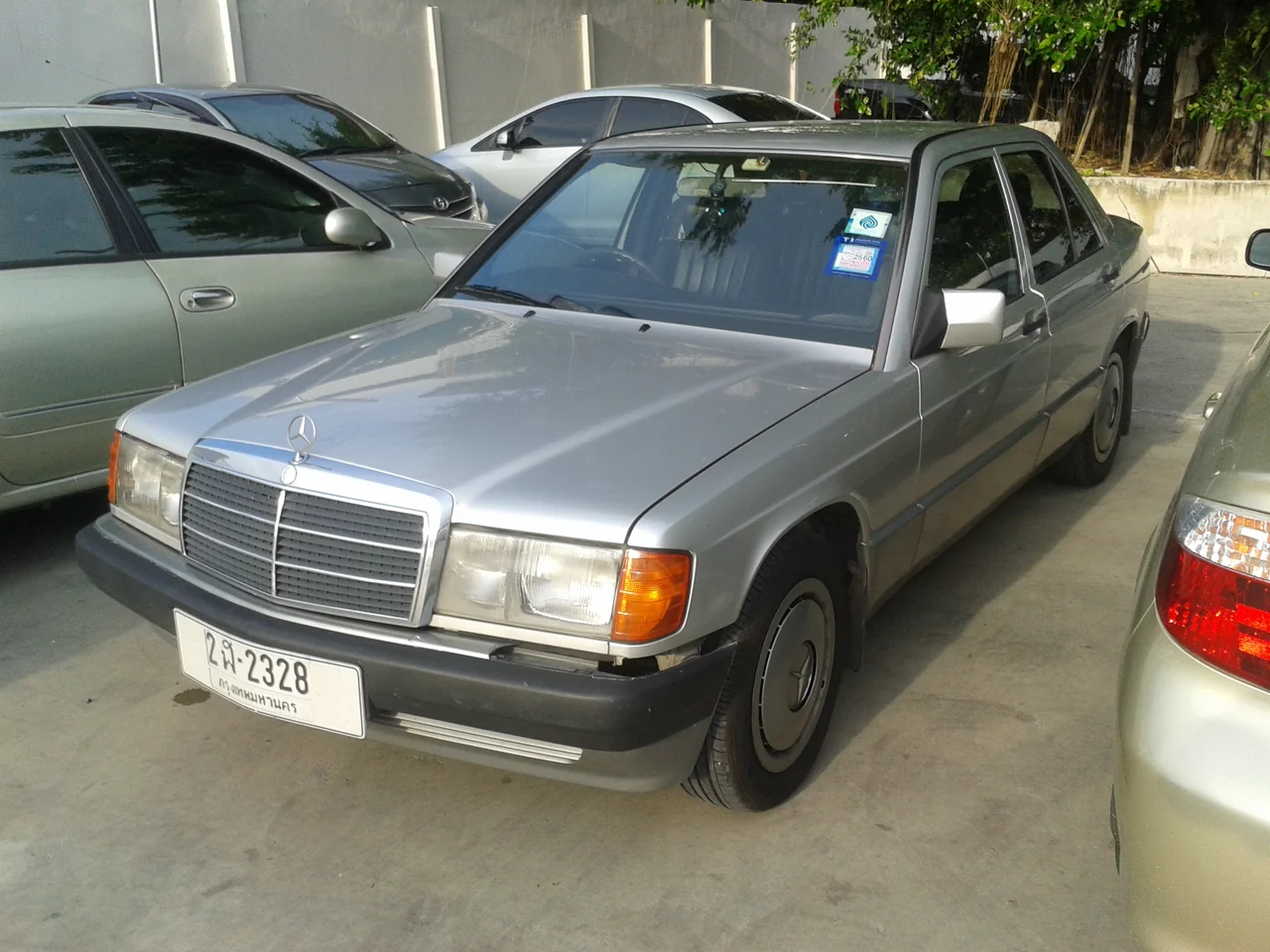
The W201 is a useful example of how an entire model family can become identified with a handful of celebrated versions. The 16-valve and competition-related stories attract attention, but an ordinary 190E still deserves to be described accurately rather than treated as an incomplete version of something rarer.
Our buyer's guide starts with the exact type, engine and market specification. This hub provides a route into that material and places it beside the wider Mercedes archive. The purpose is to help readers understand the car they are researching, not to turn every older compact saloon into a supercar by association.
Trim, wheels and badges can change over a long ownership history. They may reflect a documented alteration, a repair or an owner's preference, but they do not establish the original build on their own. Special-variant claims deserve evidence proportionate to their significance.
We would favour an explanation that connects the documents, identifiers and installed components. That is more useful than an argument based entirely on whether a detail looks correct in a photograph. Originality is a research question with several kinds of evidence, not a visual impression that should be treated as certain.
The W201 range includes enough mechanical variation that a single universal maintenance description is inadequate. The existing guide explains why engine and equipment identification matter before moving into inspection. It also distinguishes a symptom from a confirmed diagnosis.
Our editorial preference is for a car-specific account. A record of work should explain what was investigated and what was done, while the inspection should establish the current condition. A famous model reputation, whether positive or negative, cannot perform either task.
A carefully preserved example, a regularly used classic and a restoration project can all be interesting for different reasons. Problems arise when the evidence describes one proposition while the advertisement promises another. The value of a practical guide is to make that difference easier to recognise.
The linked article therefore focuses on identity, records and the role of a qualified inspection. Our wider Mercedes feature supplies the specialist performance-car context. These resources complement each other without suggesting that we have driven the reader's car or verified its condition. The existing editorial and technical-review status remains visible while that review is still required.
Browse the existing Mercedes-Benz W201 190E buyer guide and its identity checks.
These routes remain under qualified editorial and technical review.