
Mercedes-Benz uses Service A and Service B for alternating maintenance packages. The difference matters when comparing quotes, but neither name is a complete list of everything an older car needs. Start with the package, then identify the additional work due for the actual vehicle.
Service A versus Service B
Mercedes-Benz Australia describes both packages as including a vehicle check and, for combustion-engined cars, an oil change and parts replacement as specified by the manufacturer. Service B adds a broader set of checks covering safety and ease of use. The car’s service reminder indicates when attention is due; the required operations vary with the vehicle, equipment and service interval. Electric vehicles have different requirements and do not need an engine-oil change. Mercedes-Benz Australia explains its maintenance packages.
Do not assume that a modern A/B package sets the schedule for an older W124 or W201. Follow the service literature for that generation. Similarly, a B service does not automatically include every fluid, filter, spark plug or transmission operation that could become due. Ask the workshop to separate the scheduled package, additional time- or distance-dependent items, and repairs arising from its inspection.
Our preference is an itemised quote with clear authorisation limits. A cheaper headline price can be reasonable if it genuinely covers the work due; a more expensive one can be justified by additional operations. Comparing only the letter tells you too little. Compare the service sheets, products, labour and exclusions, then keep the completed record with the invoice.
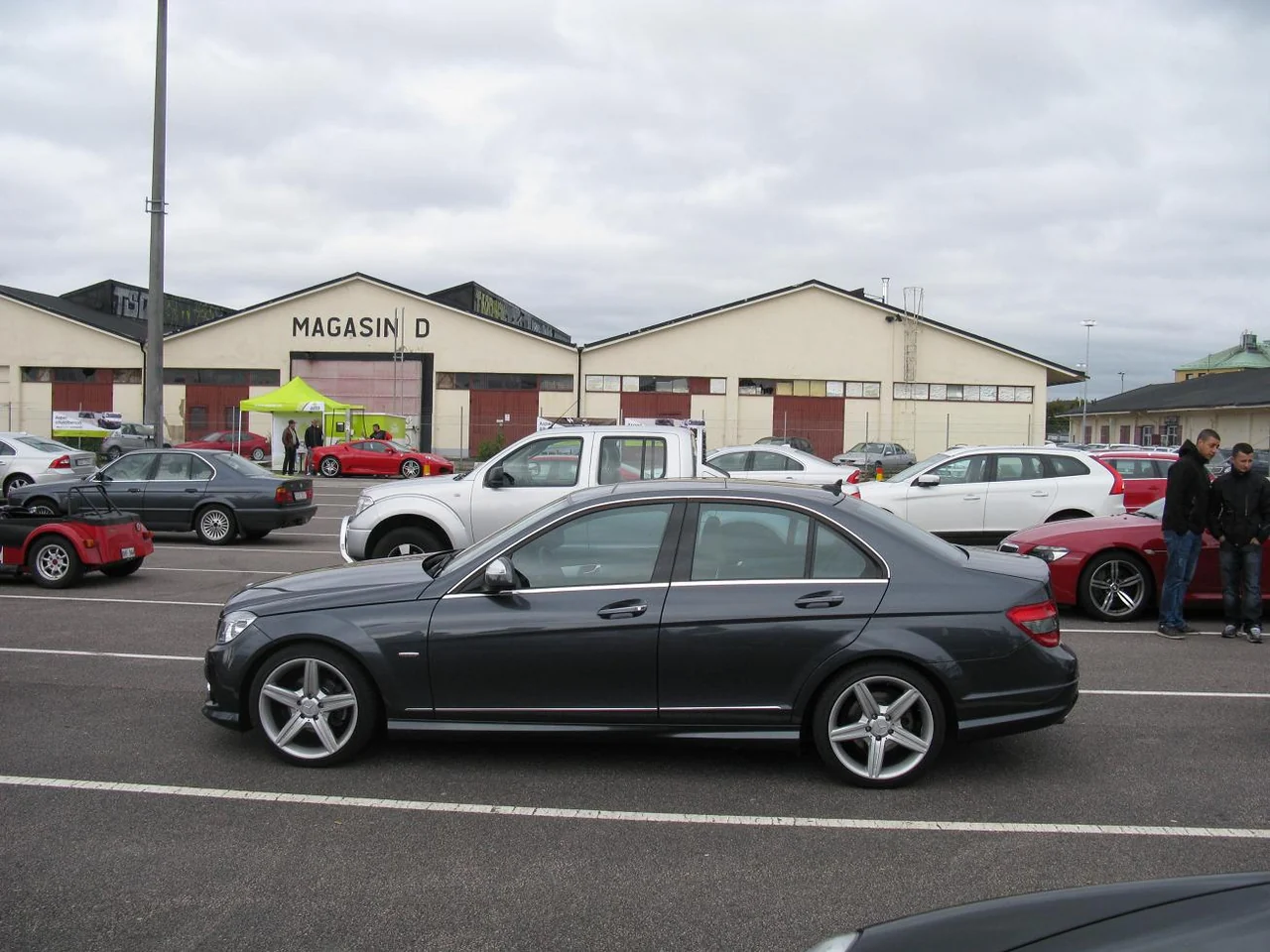
The variety within one generation makes the point. Mercedes-Benz W204 records cover KOMPRESSOR and direct-injection petrol engines, diesel engines and the M156 AMG V8.12345 These cars cannot share one generic set of fluids, filters, ignition parts or procedures.
Turn the label into an itemised record
If a quote or invoice uses a service label, ask the workshop to attach the vehicle-specific service sheet and list every operation and product. The label on its own cannot show what was inspected, replaced or deferred.
| Service area | Question to resolve | Evidence to retain |
|---|---|---|
| Engine oil | Which manufacturer approval and quantity apply? | Product approval, quantity, filter, date and odometer |
| Filtration | Which air, cabin and fuel items exist and are due? | Part numbers and inspection or replacement record |
| Ignition or diesel system | What does this engine’s schedule require? | Engine code and itemised work |
| Cooling | Which coolant specification and procedure apply? | Product record, observations and test result |
| Transmission and differential | Which units and factory procedures apply? | Codes, fluid approval and itemised invoice |
| Brakes | Is this fluid service, friction wear or a defect? | Fluid work, measured condition and repair findings |
Oil and filters
An engine-oil service means more than draining and refilling. Identify the exact engine, select the required Mercedes-Benz approval and correct quantity, replace the appropriate filter, then record the work. A quantity published for one AMG engine must not be applied to another engine.
Air, cabin and fuel filtration are separate items. A petrol direct-injection engine and a diesel have different fuel-system requirements. Fuel-filter arrangement and scheduling can vary, so the VIN-specific schedule determines what is fitted and when it needs attention.
Keep parts research to broad categories such as approved oils or filters until the approval and manufacturer part number have been matched to the VIN. “Fits Mercedes C-Class” is not enough.
Ignition, fuel and emissions
Spark plugs apply to spark-ignition engines. Diesel maintenance concerns different fuel and emissions hardware. Even within petrol or diesel groups, the engine code determines the parts and procedure.
Poor starting, smoke, a warning lamp or uneven running requires diagnosis. Those symptoms do not identify one failed component. Fuel systems carry pressure and fire risk, while ignition systems can involve hazardous voltage. Leave testing and repair to a properly equipped technician.
Transmission and driveline
“Automatic-fluid change” is too vague to authorise work. The workshop needs the exact gearbox, fluid approval, filter or pan arrangement, filling method and temperature-dependent checks. Differentials and all-wheel-drive hardware, where fitted, are separate questions.
Do not interpret “lifetime fluid” from general online advice. Obtain the official schedule and technical procedure for the identified car. This guide does not set a competing interval.
Brakes, tyres and safety
Brake-fluid condition and scheduled fluid work are distinct from pad and disc wear. An active hydraulic leak, soft pedal or warning lamp needs professional diagnosis, not routine service advice. Steering, restraint and high-current electrical findings deserve the same caution.
Tyres should be checked for correct specification, damage, age and wear. A low-use car can still have time-aged tyres, fluids and rubber parts despite recording few kilometres.
Never open a hot, pressurised cooling system. Brake, fuel, restraint, transmission and high-current electrical procedures require the right equipment and competence.
Service-record checklist
For each workshop visit, retain an invoice that answers these questions:
- What was the VIN, date and odometer reading?
- Which official service sheet or schedule was used?
- What work was completed, inspected or deferred?
- Which manufacturer approvals and part numbers were used?
- What quantities were recorded where relevant?
- Were leaks, contamination or warning messages found?
- What needs follow-up, and who is responsible?
Do not reset a service indicator unless the required work has been completed and documented. A reset is not maintenance.
For a used car, arrange invoices by date and odometer. Australian PPSR guidance notes that service-manual odometer records can help when checking consistency.6 Paperwork will rarely be perfect, but unexplained reversals or long blank periods deserve investigation.
Choosing what to do now
| History and condition | Sensible next step |
|---|---|
| Complete, itemised and consistent | Compare the latest record with the VIN-specific schedule |
| Stamps but few invoices | Ask named workshops for detail and inspect current condition |
| Unknown products or vague “full service” entries | Verify specifications and plan with a specialist |
| Active leak, warning or drivability symptom | Diagnose before replacing routine items |
| Low annual use | Check time-based tasks and age-sensitive components |
Condition-based checks do not automatically replace scheduled time or distance tasks. The exact official schedule decides what remains due.
No fixed month or kilometre interval belongs in a guide covering many Mercedes-Benz models. Identify the car, retrieve its schedule, assess records and current condition, then leave the next workshop an itemised account of the work.
Sources and further reading
References supporting the reporting and practical context on this page.